
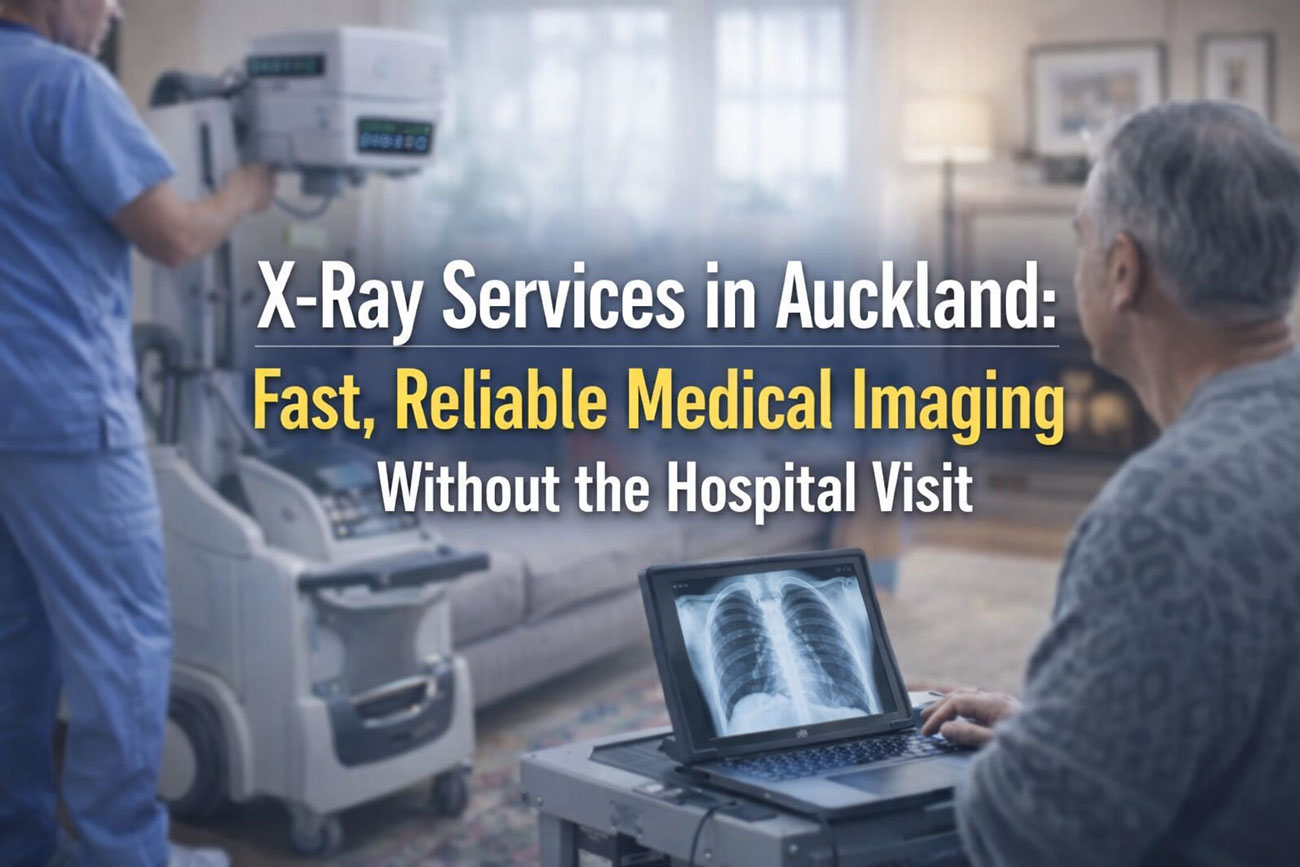
23 Mar X-Ray Services in Auckland: Fast, Reliable Medical Imaging Without the Hospital Visit
World-class radiology: Fast, reliable x-ray services and diagnostic imaging that comes to you in Auckland
Instead of travelling to a busy clinic, patients can now access professional x-ray services where they are most comfortable. Portable radiology services use state-of-the-art imaging technology to deliver high-quality diagnostic imaging directly to homes, aged care facilities and healthcare providers. This approach improves patient care while maintaining the same professional standards expected from a trusted radiology provider. With highly trained technologists, modern radiology equipment and seamless reporting processes, mobile x-ray imaging helps healthcare professionals diagnose injuries, monitor conditions and support better health outcomes through accurate diagnosis.
This modern approach to Auckland x-ray services focuses on efficiency, compassionate care and practical solutions for patients who need imaging without unnecessary disruption. Booking a visit is straightforward, referrals are handled professionally, and results are reviewed by experienced radiology experts to ensure diagnostic accuracy. Mobile imaging is particularly valuable for patients with limited mobility, post-operative recovery needs or situations where transport to a radiology clinic is difficult. To understand how this process works, you can explore how portable imaging is changing diagnostic care or learn more about in-home portable x-ray services. If you need dependable, professional x-ray services delivered quickly and efficiently, portable imaging offers a smarter, faster way to access diagnostic imaging when and where it is needed most.
Why portable x-ray services in Auckland are changing how patients access radiology
The growing demand for faster diagnostic imaging without hospital delays
Access to timely diagnostic imaging has become a major priority within modern healthcare, particularly where fast decisions are needed to support diagnosis and treatment. Traditional radiology clinics often involve waiting lists, travel logistics and scheduling pressures, which can slow down patient care. Portable x-ray services are helping to remove these barriers by delivering high-quality x-ray imaging directly to the patient. By reducing delays associated with hospital visits, mobile radiology services allow healthcare providers to diagnose injuries and conditions more efficiently, improving the overall patient experience and supporting better clinical outcomes.
As healthcare continues to streamline services across New Zealand, the demand for flexible imaging services continues to grow. Mobile diagnostic imaging allows referrals to be actioned quickly and appointments scheduled with minimal disruption to patients or medical teams. This shift reflects how radiology services are adapting to meet real-world needs. For example, the evolution of on-demand portable imaging shows how modern radiology equipment and highly trained professionals can deliver accurate diagnosis without the traditional bottlenecks of a clinic environment.
How mobile radiology improves access to medical imaging across Auckland
For many patients, accessing medical imaging can be challenging due to mobility limitations, recovery from injury, or transport difficulties. Mobile radiology helps address these issues by bringing diagnostic imaging services directly to homes, care facilities and healthcare environments. This model improves access to x-ray services while maintaining the same professional radiological standards expected from a trusted radiology provider. With state-of-the-art imaging technology and experienced technologists, portable imaging services ensure that essential scans remain accessible to those who might otherwise face barriers to care.
Improved accessibility also supports healthcare providers who require fast and dependable imaging to assist with diagnosis. By delivering services across the region, mobile radiology providers help reduce missed appointments and allow treatment decisions to be made sooner. This approach strengthens the connection between diagnostic services and patient care, making it easier for medical professionals to coordinate imaging alongside treatment plans. The ability to deliver seamless diagnostic imaging services outside a traditional clinic environment is becoming an important part of modern healthcare delivery.
Why convenience is becoming just as important as diagnostic accuracy
While diagnostic accuracy remains the foundation of radiology, convenience is now recognised as an important part of delivering effective healthcare. Patients recovering from surgery, managing chronic conditions, or living in supported care environments benefit greatly from imaging services that reduce physical strain. Portable x-ray imaging allows examinations to take place in familiar surroundings, improving comfort while still delivering high-quality results. This balance between convenience and clinical precision is helping reshape expectations around what modern radiology services should provide.
Equally important is the role convenience plays in improving overall patient compliance and follow-through with recommended scans. When booking is simple and imaging comes to the patient, healthcare providers often see better engagement with diagnostic recommendations. Mobile imaging services demonstrate how advanced diagnostic imaging and compassionate care can work together to improve outcomes. More insight into this approach can be seen through examples of mobile imaging that moves with the patient, highlighting how radiology continues to evolve to support better health through smarter service delivery.
What portable x-ray services in Auckland include
Types of x-ray imaging that can be performed outside a radiology clinic
Portable medical imaging has developed to the point where many essential diagnostic scans can now be completed outside a traditional clinic setting. Modern x-ray imaging technology allows highly trained radiology professionals to perform chest x-rays, limb imaging, and injury assessments using state-of-the-art radiology equipment designed specifically for mobility. These diagnostic imaging services maintain the same high-quality standards expected from a professional radiology provider, ensuring accurate diagnosis without requiring patients to travel. This is particularly valuable where transport presents a risk or discomfort, and where timely imaging plays an important role in treatment planning.
The flexibility of portable x-ray services also allows healthcare providers to streamline how referrals are managed. Instead of waiting for clinic availability, imaging services can often be scheduled around patient needs, improving efficiency across healthcare settings. This approach reflects how Auckland x-ray services are evolving to focus on both clinical excellence and practical delivery. More detail about the scope of these services can be seen in this overview of mobile x-ray services, which highlights how portable radiology supports diagnostic needs beyond the traditional radiology clinic environment.
How portable imaging supports doctors, aged care facilities and medical providers
Healthcare providers increasingly rely on portable radiology to support better patient care across multiple environments. Doctors, aged care facilities and rehabilitation providers benefit from having access to reliable diagnostic imaging without the disruption of patient transfers. Portable x-ray services allow clinicians to diagnose conditions quickly and monitor recovery without delays, supporting more responsive healthcare decisions. This is particularly important where patients require ongoing monitoring or where movement could affect recovery outcomes.
Reliable access to imaging services also improves coordination between medical teams. With seamless scheduling and reporting processes, radiology services can integrate smoothly into care plans developed by healthcare professionals. This model supports both efficiency and compassionate care, particularly in situations involving elderly patients or those recovering from surgery. Understanding how portable imaging fits into broader healthcare delivery can be seen through resources such as bedside diagnostic imaging solutions, which demonstrate how mobile radiology strengthens patient care pathways.
What conditions can be diagnosed with mobile diagnostic imaginy
Mobile diagnostic imaging plays an important role in identifying a wide range of conditions that rely on x-ray technology for assessment. Portable radiology is commonly used to diagnose fractures, chest infections, joint concerns and other structural conditions where imaging density differences allow abnormalities to be detected. Because modern x-ray imaging can detect abnormalities in bone structure and certain soft tissue conditions, it remains one of the most valuable tools in everyday diagnostic healthcare. These services support healthcare professionals by providing clear information needed to guide treatment decisions.
Equally important is the role portable imaging plays in ongoing patient monitoring. Follow-up scans can help assess healing progress, identify complications, and support better health outcomes through early detection. By delivering high-quality diagnostic imaging services in accessible environments, portable providers contribute to more effective healthcare delivery across New Zealand. The ability to perform these scans without clinic delays demonstrates how cutting-edge imaging technology continues to improve how diagnostic services are delivered.
Who benefits most from portable radiology services
Why elderly and mobility-limited patients benefit from mobile x-ray services
For many older patients, travelling to a radiology clinic can be physically demanding and sometimes risky, particularly where mobility challenges or underlying health conditions exist. Portable x-ray imaging helps remove this difficulty by bringing diagnostic imaging services directly to the patient’s environment. This allows healthcare providers to complete essential scans without exposing patients to unnecessary strain, long transport times or complex appointment logistics. In many cases, mobile radiology improves patient care simply by making imaging more accessible and less disruptive to daily routines.
Comfort and familiarity also play an important role in improving the patient experience. Being examined in a known environment can reduce anxiety and help radiology professionals complete high-quality imaging more efficiently. This approach reflects how modern radiology services are adapting to meet the needs of an ageing population across New Zealand. Situations involving frail or mobility-restricted individuals particularly benefit from services such as medical imaging for vulnerable patients, which demonstrates how diagnostic imaging can be delivered with both precision and compassionate care.
How portable imaging supports post-surgery and injury recovery
Recovery from surgery or injury often requires ongoing monitoring to ensure healing is progressing as expected. Portable diagnostic imaging allows healthcare providers to perform follow-up x-ray scans without requiring patients to leave their recovery setting. This is particularly valuable where movement could cause discomfort or slow rehabilitation progress. Access to reliable x-ray services helps specialists detect complications early, assess bone healing, and support better treatment decisions through accurate diagnosis.
Regular imaging also helps healthcare teams streamline how recovery is managed. With portable radiology equipment and experienced technologists available to perform scans when needed, clinicians can monitor conditions without waiting for clinic availability. This reduces delays in diagnostics and allows treatment adjustments to be made sooner where required. The role of portable imaging in supporting recovery is further demonstrated through examples of in-home diagnostic imaging services, which highlight how medical imaging can support better health outcomes through practical service delivery.
When mobile radiology is the safest option for vulnerable patients
Certain patient groups require additional care when accessing healthcare environments, particularly those with compromised immunity or complex medical conditions. In these situations, reducing exposure to busy clinics can be an important part of protecting patient wellbeing. Mobile radiology provides a safer alternative by limiting unnecessary contact while still delivering high-quality diagnostic imaging. By allowing scans to take place in controlled environments, healthcare providers can maintain strong clinical standards while reducing potential risks.
Safety considerations also extend to patients who may struggle with transport or require specialised support during appointments. Portable x-ray services allow healthcare teams to coordinate imaging around patient needs, improving both safety and efficiency. This reflects how radiology providers continue to evolve their imaging services to meet real-world healthcare demands. The combination of advanced imaging technology, highly trained professionals and careful scheduling shows how diagnostic imaging services can be delivered with a strong focus on safety, accuracy and patient-centred care.
How portable x-ray compares to traditional radiology clinics
Image quality and diagnostic accuracy compared with clinic imaging
Modern portable radiology equipment has advanced significantly, allowing mobile x-ray imaging to deliver the same diagnostic clarity expected from a traditional clinic environment. Digital detectors and state-of-the-art imaging technology now allow radiology professionals to capture high-quality images capable of supporting accurate diagnosis across a wide range of conditions. These systems are designed to maintain consistent imaging standards, ensuring radiologists can assess bone injuries, chest conditions and other diagnostic concerns with confidence. As a result, portable x-ray services continue to gain recognition as a reliable alternative within the wider diagnostic imaging landscape.
Clinical confidence also depends on how images are captured, processed and reviewed. Portable radiology providers follow strict imaging protocols and quality controls to ensure diagnostic imaging services remain consistent with healthcare expectations. Experienced technologists and radiology experts ensure positioning, exposure and image clarity meet professional standards. Further insight into how these standards are maintained can be found by understanding the role of portable x-ray imaging technology, which explains how modern equipment supports accurate diagnosis outside the traditional radiology clinic.
Speed of results and reporting advantages of mobile imaging
Access to timely diagnostic information is often just as important as the imaging itself. Portable radiology services help reduce delays by removing many of the logistical steps associated with clinic appointments, such as patient transport and waiting room scheduling. With mobile imaging, scans can often be completed sooner, allowing images to be securely delivered for radiologist review without unnecessary delays. This improved efficiency helps healthcare providers make faster decisions regarding patient care and ongoing treatment requirements.
Faster imaging workflows also help streamline communication between healthcare providers and diagnostic teams. Digital reporting systems allow radiology providers to securely transfer images for interpretation, supporting faster turnaround times for diagnostic reports. These efficiencies highlight how mobile imaging services are helping reshape how radiology services operate in modern healthcare. A clearer understanding of this process can be seen through examples of portable x-ray booking and service delivery, which shows how improved scheduling can support more responsive diagnostics.
Patient comfort and reduced travel compared with clinic appointments
Travelling to a radiology clinic can be inconvenient for many patients, particularly those managing injury, illness or reduced mobility. Portable imaging removes this burden by allowing diagnostic scans to take place where the patient is located, whether in a residence or care setting. This approach supports a more patient-focused healthcare experience by reducing physical strain and simplifying the imaging process. By focusing on accessibility as well as clinical quality, portable radiology services are helping redefine how patient care is delivered.
Equally important is the reduced disruption to daily routines and recovery schedules. Patients can remain in familiar surroundings while still receiving professional diagnostic imaging services, which often improves cooperation during the scan and overall patient experience. This balance between comfort and clinical performance reflects how radiology providers are adapting to deliver more compassionate care. By combining high-quality imaging services with practical service delivery, mobile radiology continues to demonstrate how healthcare can evolve to better support both patients and medical professionals.

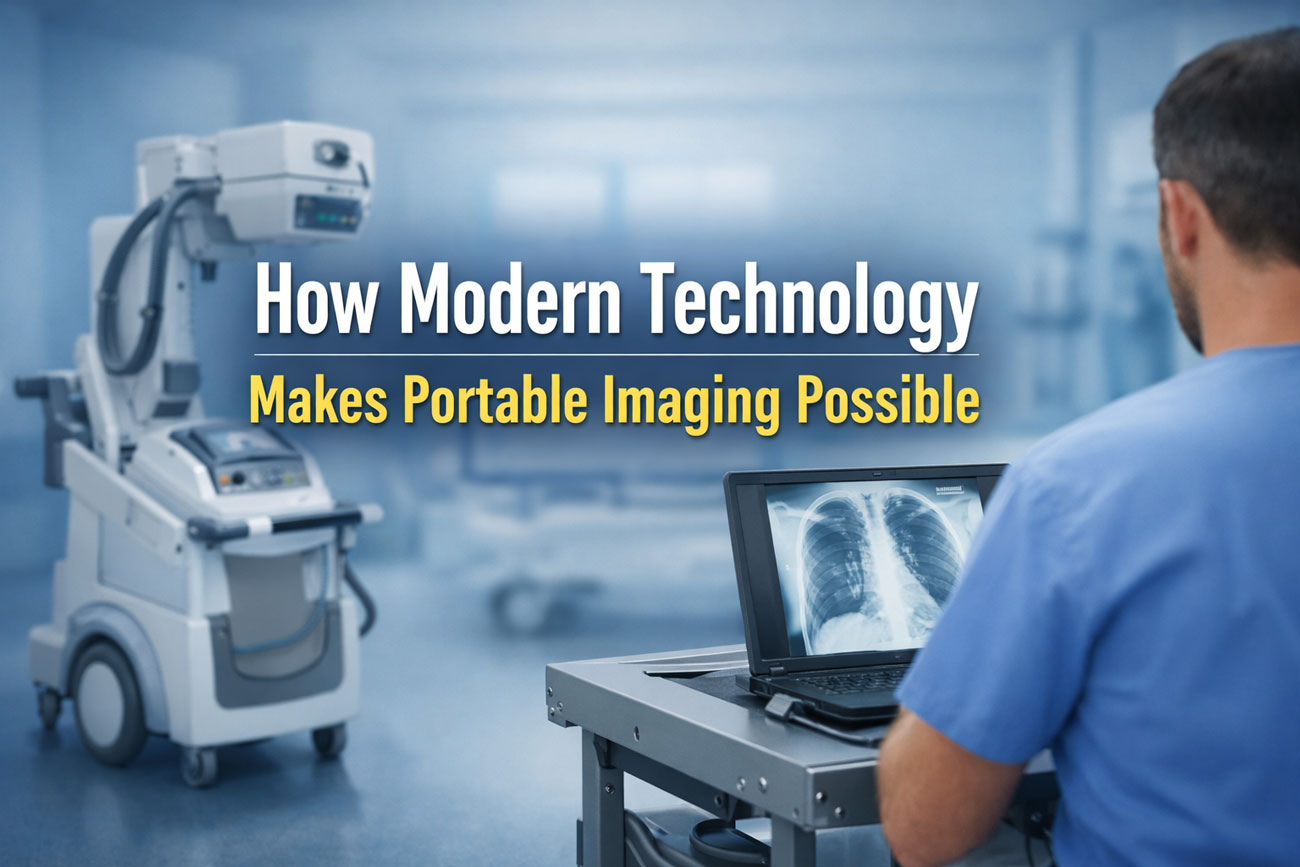
How modern technology makes portable imaging possible
Advanced digital x-ray machines used in mobile radiology
Portable radiology has evolved through significant advances in digital imaging technology, allowing mobile x-ray services to deliver the same professional standards expected from fixed radiology clinics. Modern portable x-ray machines are designed with compact digital detectors, wireless image transfer capability and precise exposure controls, allowing technologists to capture high-quality diagnostic images in a wide range of environments. These systems are built to maintain image consistency, allowing radiologists to assess bone structure, chest conditions and other diagnostic concerns with confidence while supporting accurate diagnosis through advanced imaging methods.
Reliability also comes from the way modern radiology equipment integrates with secure digital systems. Images can be captured and transferred efficiently without compromising diagnostic detail, supporting seamless workflows between imaging professionals and healthcare providers. This reflects how cutting-edge imaging technology continues to strengthen mobile radiology capabilities. A deeper look into how this equipment supports mobile diagnostic imaging can be seen through this overview of portable radiology technology, outlining how modern systems support high-quality imaging outside the traditional clinic setting.
How radiologists review and report portable imaging results
Once images are captured, the reporting process follows the same professional standards applied within any diagnostic imaging environment. Digital x-ray images are securely transferred for review by qualified radiologists, who assess image quality, anatomical detail and any visible abnormalities. This ensures patients receiving portable imaging benefit from the same level of clinical oversight as those attending a radiology clinic. Accurate reporting remains central to patient care, allowing healthcare providers to make informed treatment decisions based on reliable diagnostic information.
Speed and communication also play an important role in this process. Digital reporting systems allow radiology providers to share results efficiently with referring healthcare professionals, supporting timely diagnosis and treatment planning. This workflow highlights how diagnostic imaging services continue to streamline how results are delivered within modern healthcare. Further insight into how this process supports patient outcomes can be seen in examples of portable imaging from assessment to diagnosis, demonstrating how imaging technology supports effective healthcare delivery.
How modern imaging technology improves diagnostic outcomes
Advancements in imaging technology have significantly improved the ability of radiology services to detect conditions earlier and with greater precision. Digital processing allows radiologists to enhance contrast, review image density and identify subtle changes that may indicate injury or disease. These improvements support better diagnostic outcomes by providing clearer insights into patient conditions, helping healthcare providers develop more effective treatment plans. As portable imaging continues to improve, diagnostic imaging services are becoming more responsive to the practical needs of both clinicians and patients.
Better imaging quality also contributes to improved long-term patient outcomes. Faster access to high-quality diagnostic imaging allows conditions to be diagnosed earlier, which often leads to more effective treatment and recovery pathways. The continued development of state-of-the-art technology ensures portable radiology remains a trusted part of modern healthcare services across New Zealand. By combining highly trained professionals with advanced imaging systems, mobile x-ray services continue to demonstrate how technology can support better health outcomes through accurate, efficient diagnostics.
Why portable x-ray services are becoming essential in modern healthcare
How mobile imaging improves patient care outcomes
Access to timely diagnostic imaging can significantly influence how quickly healthcare providers can diagnose conditions and begin appropriate treatment. Portable x-ray services help remove traditional delays by allowing scans to take place where the patient is located, supporting faster clinical decisions and more responsive patient care. This approach allows healthcare professionals to obtain the imaging they need without the complications often associated with clinic scheduling, transport or limited appointment availability. As a result, diagnostic imaging services are becoming more closely aligned with the real needs of modern healthcare delivery.
Better access to imaging also improves continuity of care. When scans can be completed without disrupting recovery or treatment environments, healthcare teams are able to monitor conditions more effectively. This contributes to more accurate diagnosis and improved recovery planning, particularly where ongoing imaging is required. Examples of how mobile imaging contributes to better patient outcomes can be seen through resources such as in-home diagnostic imaging solutions, which demonstrate how portable radiology supports better health outcomes through practical service delivery.
Why healthcare providers are choosing portable radiology solutions
Healthcare providers are increasingly recognising the value of portable radiology as part of a more flexible healthcare model. The ability to arrange high-quality x-ray imaging without relying solely on clinic availability allows medical teams to manage patient care more efficiently. Portable imaging services also help reduce pressure on busy radiology clinics, allowing resources to be used more effectively across healthcare systems. This shift reflects a growing focus on diagnostic efficiency, patient comfort and improved access to essential radiology services.
Another factor influencing this change is the reliability of modern imaging technology. With state-of-the-art radiology equipment and highly trained professionals delivering imaging services, healthcare providers can trust that diagnostic standards remain consistent. This confidence has contributed to greater adoption of mobile radiology services across New Zealand healthcare environments. More insight into how these services are delivered can be found through information about portable x-ray services in healthcare settings, which highlights how mobile imaging supports healthcare providers with dependable diagnostic solutions.
The future of mobile diagnostic imaging in New Zealand healthcare
Healthcare systems continue to evolve as technology improves and patient expectations change. Portable diagnostic imaging is expected to play an even greater role as healthcare providers seek more efficient ways to deliver services while maintaining clinical quality. Advances in digital radiology, secure image transfer and compact imaging systems are helping mobile radiology become a standard part of diagnostic care. As these technologies continue to improve, portable imaging will likely become an essential component of how healthcare providers deliver timely diagnostics.
Ongoing demand for patient-focused healthcare solutions will also shape how mobile radiology develops. As healthcare providers place greater emphasis on accessibility, efficiency and patient experience, portable imaging services are well positioned to support these priorities. Continued investment in advanced imaging technology and radiology expertise is likely to further strengthen the role of portable x-ray services across New Zealand. This progression reflects how diagnostic imaging continues to adapt, ensuring healthcare remains responsive, practical and focused on achieving better patient outcomes.
Choosing the right provider for x-ray services in Auckland
What to look for in a professional portable radiology provider
Selecting a portable radiology provider involves more than simply finding someone who can perform a scan. Healthcare providers and patients should look for a service that demonstrates strong clinical standards, experienced radiology professionals and modern imaging technology capable of delivering high-quality diagnostic imaging. A professional provider should also have clear processes for referrals, reporting and patient care, ensuring that each x-ray examination supports accurate diagnosis and effective treatment planning. These factors all contribute to a reliable imaging service that healthcare professionals can trust.
Strong communication and organisation are also important indicators of a quality radiology service. Efficient booking processes, clear scheduling and dependable turnaround times all play a role in maintaining high standards of patient care. Providers that focus on seamless coordination between technologists, radiologists and healthcare professionals are often better positioned to deliver consistent diagnostic outcomes. Learning more about how professional standards are maintained can be helpful when reviewing information such as portable radiology provider experience and service approach, which outlines the key elements of a dependable diagnostic imaging service.
Why experience and technology both matter in diagnostic imaging
Diagnostic imaging relies on both the skill of the professionals performing the scan and the quality of the equipment being used. Experienced radiology teams understand how to position patients correctly, manage imaging exposure and capture clear x-ray images that support accurate diagnosis. At the same time, advanced imaging technology ensures that images are captured with the clarity required for detailed clinical assessment. This balance between expertise and equipment is essential in delivering world-class radiology outcomes across a range of healthcare environments.
Technology alone is not enough without the knowledge to use it effectively. Highly trained technologists and radiologists play a critical role in ensuring imaging services meet healthcare standards. From operating advanced radiology equipment to understanding diagnostic requirements, experience remains a key factor in maintaining quality. Further information about how modern equipment supports these outcomes can be explored through resources explaining advanced portable imaging technology, which highlights how innovation continues to support better diagnostics.
How reliable imaging services improve diagnosis and treatment planning
Reliable access to diagnostic imaging can significantly influence how healthcare providers manage patient treatment. When imaging services are delivered consistently and without unnecessary delays, clinicians are better equipped to diagnose conditions early and develop appropriate care plans. Portable x-ray services support this process by allowing imaging to be completed when and where it is needed, helping medical teams obtain the information required to guide treatment decisions. This efficiency strengthens the connection between diagnostics and effective healthcare delivery.
Consistency in imaging quality also helps reduce the need for repeat scans, which can save time and improve the overall patient experience. High-quality radiological imaging supports better communication between healthcare providers and specialists, allowing treatment pathways to be adjusted based on reliable information. As diagnostic imaging continues to evolve, dependable radiology services remain an essential part of ensuring accurate diagnosis, better health outcomes and well-coordinated patient care across modern healthcare systems.
Portable X-Ray Services in Auckland: Bringing Radiology Directly to the Patient
Access to reliable diagnostic imaging is becoming an important part of modern healthcare, particularly where timely diagnosis can influence treatment outcomes. Portable x-ray services allow healthcare providers to arrange high-quality imaging without requiring patients to travel to a radiology clinic, helping streamline patient care and reduce unnecessary delays. Using advanced imaging technology and modern radiology equipment, mobile x-ray imaging can deliver accurate diagnostic results in a wide range of healthcare environments. This approach reflects how radiology services continue to evolve, ensuring medical imaging remains practical, responsive and focused on improving the patient experience.
Choosing a provider that combines clinical expertise with dependable service delivery can make a significant difference in diagnostic efficiency. Portable imaging supports better healthcare decisions by allowing faster access to scans, improving communication between radiologists and healthcare providers, and reducing disruption for patients. Those wanting to better understand how mobile diagnostic imaging works can explore more about portable x-ray services and how modern radiology is adapting to patient needs. If you are looking to streamline diagnostic imaging and improve access to professional x-ray services, you can also learn more about booking a portable x-ray appointment and how mobile imaging can support faster, more convenient patient care.