
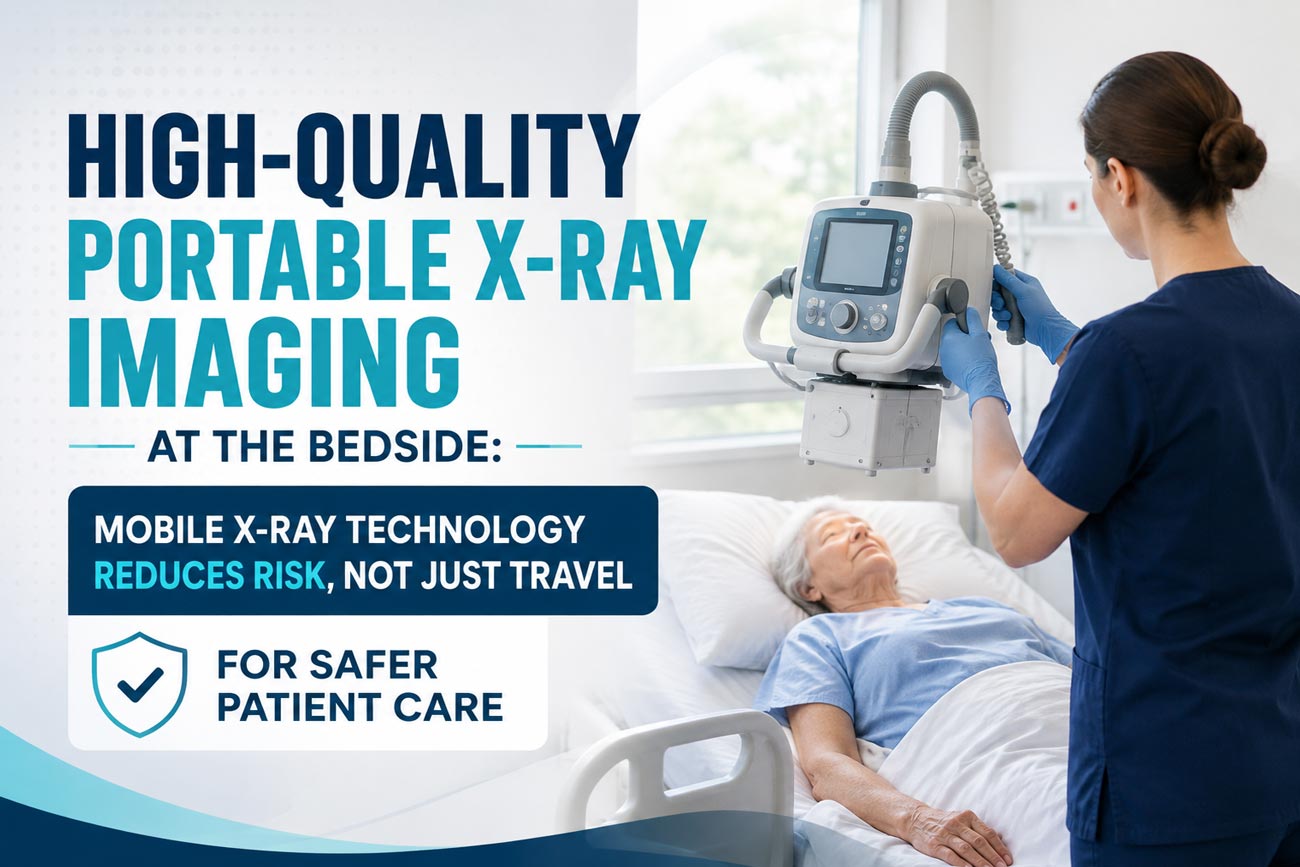
21 Aug High-Quality Portable X-Ray Imaging at the Bedside: Mobile X-Ray Technology Reduces Risk, Not Just Travel for Safer Patient Care
How Portable X-Ray Technology Delivers Safer Bedside Imaging and Reduces Risk for Patients Who Cannot Travel
Portable X-ray technology is changing far more than the way patients access diagnostic imaging—it is helping reduce the risks associated with moving vulnerable people for an X-ray examination. For patients who are elderly, recovering from surgery, living in aged care facilities or simply unable to travel, every unnecessary transfer can increase discomfort, fatigue and the potential for further injury. Professional mobile X-ray services bring advanced digital radiography directly to the bedside, allowing experienced radiographers to perform high-quality X-ray examinations in the patient’s own environment. Using modern portable X-ray equipment, accurate diagnostic images can be obtained without requiring travel to a hospital, helping healthcare professionals make timely clinical decisions while maintaining exceptional standards of patient care. If you need reliable, professional bedside imaging, Portable X-Ray Services provides high-quality mobile X-ray technology across Auckland, Hamilton and parts of the Waikato, delivering accurate diagnostic imaging wherever it is needed most.
The benefits of mobile X-ray extend well beyond convenience. Every time a vulnerable patient is transported, there are practical challenges, including manual handling, increased pain, disruption to ongoing care and extended wait times before imaging can even begin. Portable imaging removes many of these obstacles by bringing essential diagnostic imaging directly to the patient, whether they are at home, in aged care or another healthcare setting. Advanced portable X-ray technology produces high-quality digital X-ray images that support accurate diagnosis while allowing patients to remain comfortable in familiar surroundings. This modern approach to healthcare delivery also enables healthcare providers to respond more efficiently when diagnostic imaging is required, reducing unnecessary delays and supporting better clinical outcomes. Learn more about the advantages of in-home portable X-ray services and how bedside imaging is helping improve patient safety and healthcare outcomes.
What is mobile x-ray and how does it differ from traditional radiology?
What does a mobile x-ray service involve for bedside imaging?
A mobile X-ray service is designed to bring professional diagnostic imaging directly to the patient rather than requiring the patient to travel to a hospital. Using advanced portable X-ray technology, experienced radiographers transport compact digital radiography equipment to homes, aged care facilities and other healthcare environments where high-quality X-ray examinations can be completed safely. This approach is particularly valuable for patients who are unable to travel due to illness, injury or limited mobility, allowing essential diagnostic imaging to be performed at the bedside while reducing unnecessary movement and disruption. The radiographer carefully positions both the patient and the portable X-ray equipment to obtain accurate diagnostic images that support timely clinical decision-making by the referring healthcare provider.
Unlike traditional imaging, where patients are transported to a dedicated radiology department, mobile X-ray technology brings the same professional standards of radiography directly to the bedside. This significantly reduces wait times, minimises manual handling and helps maintain continuity of care for vulnerable patients. Modern portable imaging systems are designed to produce excellent image quality while operating efficiently in a range of healthcare settings. To better understand how professional bedside imaging works, read about portable X-ray at the bedside and how mobile diagnostics are improving healthcare delivery for patients who need imaging where they are receiving care.
How does portable x-ray equipment compare to radiology department machines?
Portable X-ray equipment has advanced significantly over recent years and now delivers image quality that supports accurate diagnostic imaging for a wide range of X-ray examinations. Although the equipment is compact enough to be transported between patient locations, it incorporates sophisticated digital radiography technology capable of producing detailed diagnostic images. This allows healthcare professionals to assess conditions such as fractures, chest conditions and other injuries without requiring the patient to travel to a hospital. The ability to perform high-quality medical imaging directly at the bedside represents one of the greatest benefits of mobile X-ray technology.
While radiology department equipment may be larger and designed to accommodate a broader range of imaging requirements, portable X-ray equipment is purpose-built for professional bedside imaging and mobile diagnostics. It provides reliable performance, efficient workflows and excellent image clarity while remaining easy to transport. Patients who are elderly, living in aged care or recovering at home can receive essential diagnostic imaging in familiar surroundings without compromising professional standards. This combination of mobility and advanced digital X-ray technology continues to transform the delivery of patient care.
Who performs mobile x-ray examinations — radiographer or other healthcare professionals?
Professional mobile X-ray examinations are performed by qualified radiographers who have the training and expertise required to operate portable radiology equipment safely and effectively. Radiographers are responsible for preparing the equipment, positioning the patient correctly, selecting appropriate imaging techniques and producing high-quality diagnostic images that assist the referring healthcare provider with diagnosis and treatment planning. Their knowledge of radiography, radiation safety and patient positioning ensures every X-ray examination is completed to recognised professional standards while prioritising patient comfort and wellbeing.
Although other healthcare professionals are involved in the patient’s overall care, the X-ray examination itself is carried out by the radiographer using advanced portable X-ray technology. They work closely with doctors, nurses and other healthcare providers to ensure imaging is completed efficiently and the resulting diagnostic images contribute to informed clinical decisions. You can also learn more about the people behind the service by visiting our experienced radiography team, where the focus is on delivering accurate diagnostic imaging with professionalism, compassion and a commitment to exceptional patient care.
How do portable x-ray services improve patient safety and reduce risk?
How does direct-to-the-patient imaging reduce travel-related risks?
One of the greatest advantages of portable X-ray technology is its ability to eliminate many of the risks associated with transporting vulnerable patients for diagnostic imaging. For people who are elderly, recovering from surgery, living with mobility challenges or unable to travel safely, every transfer can increase the risk of discomfort, falls, fatigue and further injury. A professional mobile X-ray service brings advanced portable X-ray equipment directly to the patient, allowing high-quality X-ray examinations to be completed at the bedside or in the patient’s home. This approach reduces unnecessary movement while ensuring healthcare providers receive the accurate diagnostic images they need to make informed clinical decisions without delay.
Reducing travel also helps improve the overall patient experience. Rather than organising transport, waiting for an appointment and navigating unfamiliar healthcare environments, patients can remain in familiar surroundings while experienced radiographers perform the X-ray examination using modern digital radiography equipment. This supports more efficient healthcare delivery, reduces wait times and enables essential diagnostic imaging to be completed with minimal disruption. The growing role of mobile imaging services demonstrates how bringing professional radiology directly to the patient is improving both safety and accessibility.
Can bedside imaging lower infection exposure for vulnerable patients?
For patients with weakened immune systems or underlying health conditions, reducing unnecessary exposure to busy healthcare environments is an important part of protecting their wellbeing. Bedside imaging allows portable X-ray examinations to be completed where the patient is already receiving care, limiting the need to travel through multiple locations or spend time in hospital waiting areas. This approach supports infection prevention while ensuring essential diagnostic imaging is still available when required. Professional mobile X-ray technology enables high-quality medical imaging without compromising image quality or delaying clinical assessment.
Bedside imaging is particularly valuable for patients recovering from illness, receiving ongoing treatment or living in aged care facilities where maintaining continuity of care is a priority. Portable radiology allows healthcare professionals to obtain accurate diagnostic images while minimising unnecessary patient movement and reducing disruption to treatment routines. This combination of advanced portable X-ray technology and patient-centred healthcare delivery contributes to safer imaging practices for some of the most vulnerable members of the community.
How do portable imaging services benefit aged care and intensive care patients?
Patients in aged care facilities and intensive care settings often require diagnostic imaging while being among the least suitable candidates for transportation. Moving these patients can be physically demanding and may interrupt essential medical care or monitoring. Portable X-ray services provide a practical solution by delivering professional mobile diagnostics directly to the bedside, allowing experienced radiographers to perform high-quality X-ray examinations using advanced digital radiography equipment. This helps healthcare providers obtain the information they need while maintaining patient comfort and reducing unnecessary clinical risk.
Portable imaging also supports continuity of care by allowing patients to remain in their current environment throughout the diagnostic process. For elderly patients, those recovering from serious illness and people receiving intensive medical support, bedside imaging reduces disruption while providing timely access to accurate diagnostic imaging. Learn more about how portable imaging supports vulnerable patients and why bringing professional radiology directly to the bedside has become an increasingly important part of modern healthcare delivery.
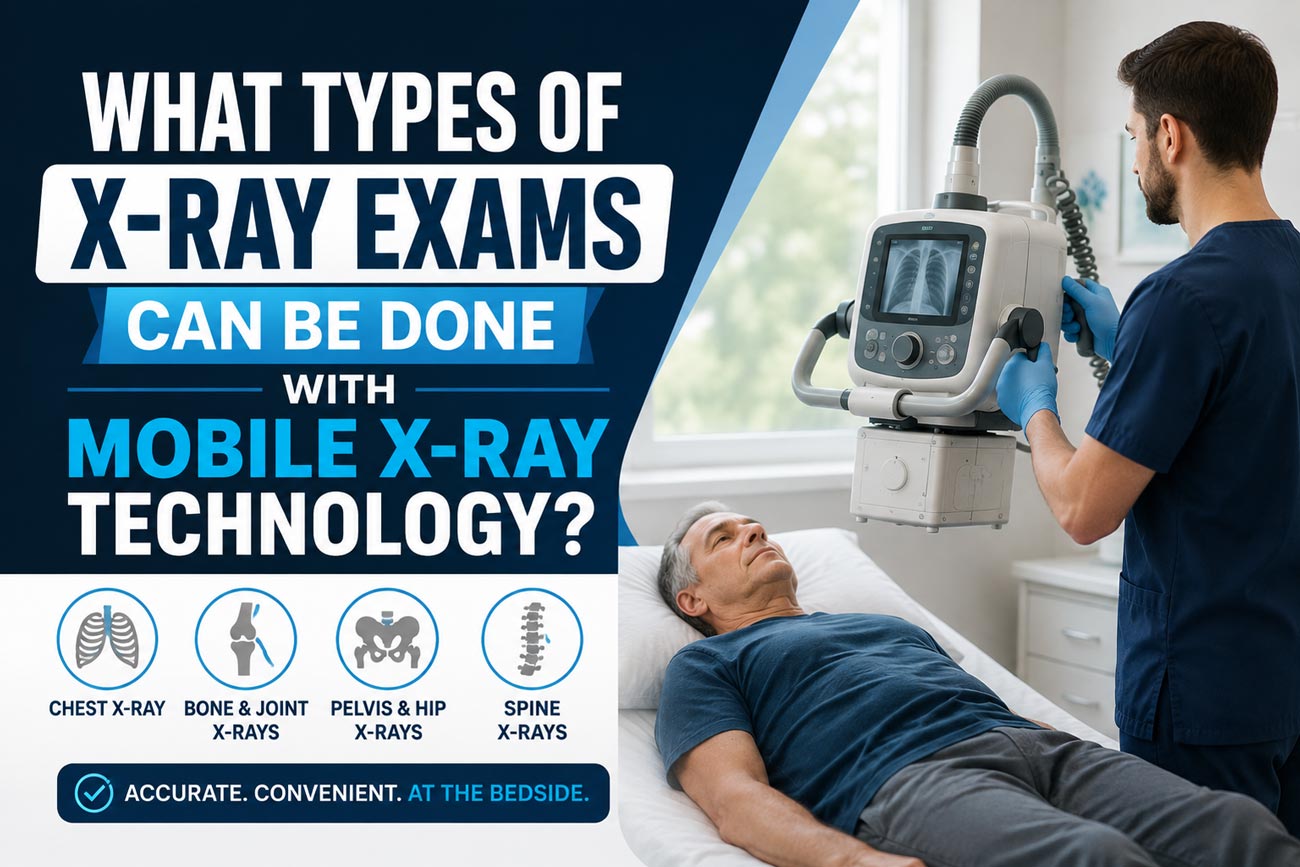
What types of x-ray exams can be done with mobile x-ray technology?
Are chest x-ray and common diagnostic images feasible with portable x-ray machines?
Yes, modern portable X-ray technology is capable of performing a wide range of diagnostic X-ray examinations, including chest X-rays and many other commonly requested studies. Advances in digital radiography have enabled portable X-ray equipment to produce high-quality diagnostic images while remaining compact enough to be transported directly to the patient’s location. Experienced radiographers use advanced portable X-ray equipment to carry out bedside imaging in homes, aged care facilities and other healthcare environments, allowing patients who are unable to travel to receive essential diagnostic imaging without leaving their current setting. This approach supports timely diagnosis while maintaining excellent image quality and professional standards.
Chest X-rays are among the most frequently requested mobile X-ray examinations because they provide valuable diagnostic information for a variety of medical conditions. The ability to complete these examinations directly at the bedside reduces delays, improves patient comfort and avoids unnecessary travel to a hospital. Modern portable imaging systems continue to demonstrate how digital X-ray technology can deliver reliable results while supporting efficient healthcare delivery. Learn more about the capabilities of mobile X-ray services and how professional portable radiology provides accurate diagnostic imaging in a wide range of care settings.
What other x-ray examinations are commonly performed in-home or at care facilities?
Portable X-ray services are suitable for many types of X-ray examinations performed outside a traditional radiology department. In addition to chest X-rays, radiographers commonly perform examinations of the upper and lower limbs, pelvis, hips, spine and other skeletal structures when clinically appropriate. These studies provide healthcare providers with essential diagnostic information while allowing patients to remain in familiar surroundings. For people receiving care at home or living in aged care facilities, portable imaging offers a practical alternative to travelling for routine diagnostic examinations.
Performing X-ray examinations directly at the patient’s location also supports continuity of care. Patients recovering from surgery, living with chronic health conditions or experiencing reduced mobility can receive professional mobile X-ray examinations without the physical demands associated with transportation. By combining advanced digital radiography with experienced radiographers, portable X-ray technology continues to improve access to accurate diagnostic imaging while reducing unnecessary disruption for patients, carers and healthcare professionals.
Can mobile imaging produce high-quality diagnostic images comparable to hospital radiography?
Modern mobile X-ray technology has been developed to deliver high-quality medical imaging that supports accurate diagnosis across a broad range of clinical situations. Advanced portable X-ray equipment incorporates sophisticated digital imaging systems that provide excellent image quality while remaining compact enough for bedside use. Experienced radiographers follow established radiography techniques to ensure every X-ray examination produces clear diagnostic images that assist healthcare providers in assessing injuries and medical conditions. This allows portable radiology to deliver dependable results while maintaining high professional standards.
Although portable X-ray equipment is specifically designed for mobility, it is capable of producing diagnostic images suitable for many essential imaging requirements. Continuous improvements in portable imaging technology have narrowed the gap between traditional imaging systems and mobile equipment, making bedside radiography an increasingly valuable part of healthcare delivery. Patients interested in how these technological advances are transforming diagnostic imaging can read about how portable imaging is changing lives and the important role mobile X-ray continues to play in delivering accurate diagnostic imaging directly to the patient.
How is image quality ensured in portable x-ray and mobile imaging services?
What digital x-ray and portable x-ray technology features support accurate diagnostic images?
Modern portable X-ray technology combines advanced digital radiography with sophisticated imaging software to produce clear, accurate diagnostic images in a wide variety of healthcare settings. Today’s portable X-ray equipment has been engineered to deliver exceptional image quality while remaining compact enough to be transported directly to the patient. High-resolution digital detectors, precise exposure controls and advanced image processing all contribute to producing high-quality medical imaging that supports confident clinical decision-making. These technological improvements mean patients can receive essential diagnostic imaging at the bedside without compromising the standard of radiography expected from professional mobile X-ray services.
Digital imaging also improves efficiency throughout the diagnostic process. Images are captured instantly, allowing radiographers to review image quality immediately and confirm that the examination has produced the diagnostic information required by the referring healthcare provider. This reduces the likelihood of repeat examinations while helping streamline patient care. To learn more about the equipment behind professional mobile imaging, visit portable X-ray technology, which explains how advanced portable imaging systems support accurate diagnostic imaging in homes, aged care facilities and other healthcare environments.
How do radiographers maintain image quality in on-site imaging and bedside imaging?
Producing high-quality diagnostic images relies on far more than advanced equipment alone. Experienced radiographers play a vital role in maintaining image quality by carefully positioning both the patient and the portable X-ray equipment before each examination. They assess the patient’s condition, adjust exposure settings to suit the clinical requirements and ensure the imaging detector is correctly aligned to obtain the best possible diagnostic result. These professional radiography techniques help deliver accurate diagnostic imaging while keeping patient comfort at the centre of the examination.
Consistent imaging protocols also contribute to reliable results across a variety of healthcare settings. Whether performing bedside imaging in aged care facilities or completing home X-rays for patients who are unable to travel, radiographers follow recognised professional standards that support image quality and patient safety. Their expertise, combined with modern digital radiography technology, enables portable imaging to provide dependable diagnostic information while reducing unnecessary movement and disruption for vulnerable patients.
What protocols are used to transfer images to radiology services or healthcare providers?
Following a mobile X-ray examination, digital images are transferred securely using established healthcare protocols to ensure the diagnostic information is available for clinical review. Digital radiography allows images to be processed electronically rather than relying on traditional film, enabling healthcare providers to receive accurate diagnostic images more efficiently. Secure digital workflows help maintain patient confidentiality while supporting timely assessment by the referring healthcare professional or radiology service responsible for interpreting the examination.
Efficient image transfer is an important part of modern healthcare delivery because it helps reduce delays between the X-ray examination and clinical decision-making. Once the images have been reviewed for quality by the radiographer, they are made available through secure systems that support continuity of care and ongoing patient management. Patients interested in understanding how portable imaging supports faster diagnosis can also explore in-home portable X-ray services, which highlights how digital imaging technology contributes to efficient, high-quality diagnostic care delivered directly to the patient.
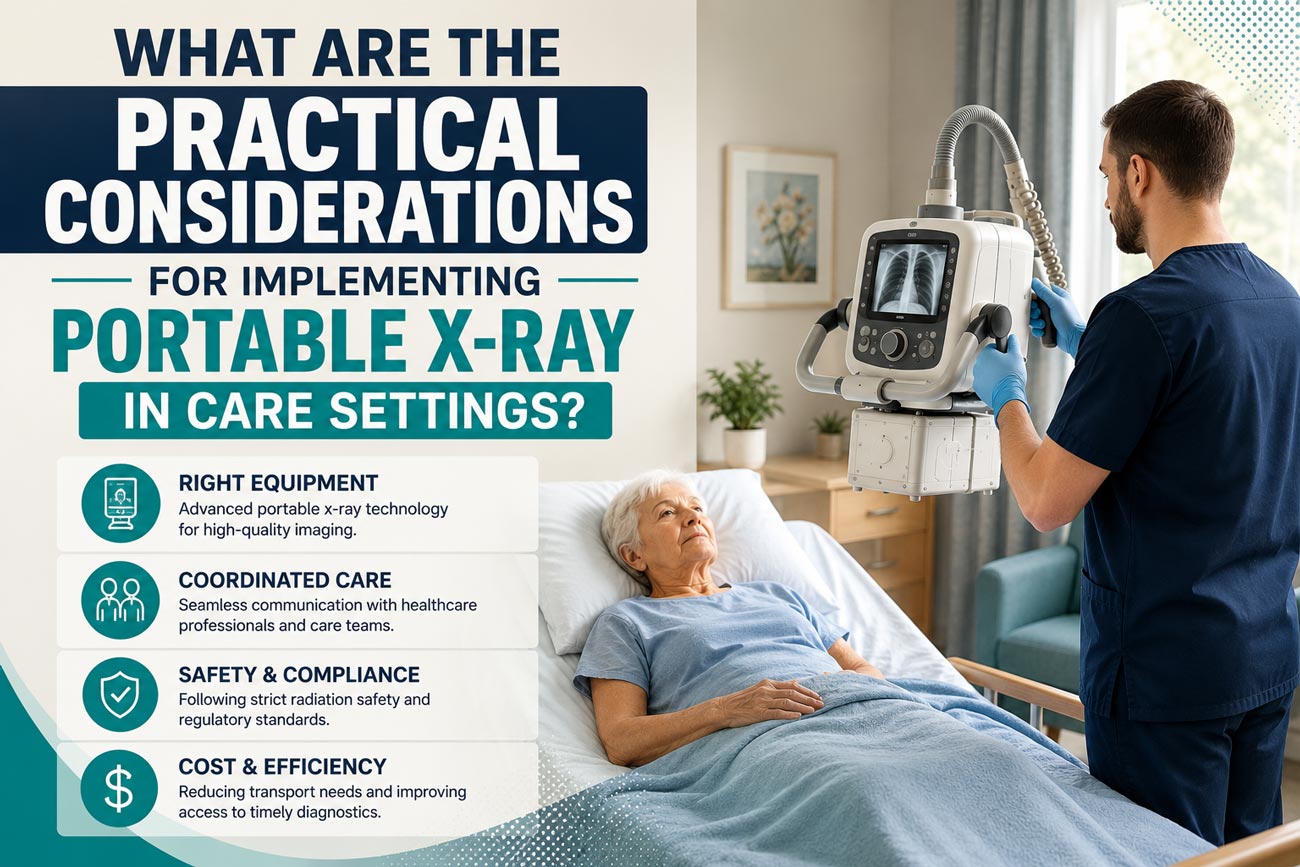
What are the practical considerations for implementing portable x-ray in care settings?
What x-ray equipment and portable x-ray technology are required for on-site imaging?
Delivering professional mobile X-ray services requires specialised portable X-ray equipment that combines advanced digital radiography with a compact, transportable design. Modern portable X-ray technology includes a mobile X-ray machine, digital image detectors and supporting equipment that allows experienced radiographers to perform high-quality X-ray examinations directly at the patient’s bedside or within other healthcare environments. These systems are specifically designed to produce accurate diagnostic images while operating efficiently in homes, aged care facilities and other care settings where traditional radiology department equipment is not practical. The portability of the equipment enables essential diagnostic imaging to be delivered without compromising image quality or patient safety.
Reliable performance also depends on maintaining and operating the equipment correctly. Portable imaging systems undergo routine testing, calibration and quality assurance to ensure they consistently deliver high-quality medical imaging. Radiographers select appropriate exposure settings and positioning techniques to produce accurate diagnostic images suited to each patient’s clinical requirements. More information about the equipment used in professional mobile imaging can be found in this overview of portable X-ray technology, which explains how advanced digital radiography supports safe, efficient bedside imaging.
How do care facilities and healthcare professionals coordinate mobile diagnostics?
Successful mobile diagnostics rely on effective communication between healthcare providers, radiographers and care facilities. The process typically begins with a referral outlining the patient’s clinical needs and the type of X-ray examination required. Once the referral is received, the appointment is scheduled and the radiographer attends the patient’s location with the appropriate portable X-ray equipment. Staff at the care facility assist with preparing the patient and ensuring the examination can be completed safely while minimising disruption to ongoing care.
Working collaboratively helps streamline healthcare delivery and supports continuity of care. Nurses, carers and other healthcare professionals remain involved throughout the patient journey, while the radiographer performs the X-ray examination and ensures the resulting diagnostic images are suitable for clinical assessment. This coordinated approach allows essential diagnostic imaging to be delivered efficiently, reducing unnecessary patient movement while ensuring healthcare providers receive the information they need to make timely treatment decisions.
What are the cost, safety, and regulatory factors for portable radiography services?
Professional portable radiography services operate within established safety and regulatory requirements designed to protect both patients and healthcare professionals. Radiographers follow recognised radiation safety protocols, use appropriate exposure techniques and ensure portable X-ray equipment is maintained to the required standards. These measures help produce accurate diagnostic imaging while minimising radiation exposure and maintaining a safe environment during every mobile X-ray examination. Compliance with professional standards is an essential part of delivering reliable bedside imaging across a variety of healthcare settings.
Practical considerations also include balancing efficiency, patient safety and the overall cost of healthcare delivery. While individual funding arrangements and patient circumstances may differ, portable imaging can reduce many of the indirect costs associated with transporting vulnerable patients, including staff time, vehicle requirements and interruptions to ongoing care. Patients interested in understanding how professional mobile imaging supports safer and more efficient healthcare delivery can also read about the future of bedside portable X-ray, highlighting how advanced mobile radiology continues to improve access to essential diagnostic imaging.
When should healthcare providers choose a mobile x-ray service over hospital radiology?
Which patient conditions (unable to travel, ICU, aged care) indicate portable radiology?
A mobile X-ray service is often the preferred option when a patient is unable to travel safely or when transportation could negatively affect their health or recovery. Elderly patients, people recovering from surgery, individuals with reduced mobility and those living in aged care facilities frequently benefit from portable radiology because it eliminates unnecessary movement while still providing essential diagnostic imaging. Patients receiving intensive care or requiring ongoing clinical monitoring may also benefit from bedside imaging, as moving them away from their established care environment can interrupt treatment and introduce additional clinical risks. Professional mobile X-ray technology allows experienced radiographers to perform high-quality X-ray examinations directly at the patient’s location, supporting timely diagnosis without compromising patient care.
Choosing portable imaging is often based on what is safest and most appropriate for the individual patient rather than simply what is most convenient. When a patient is medically unstable, experiencing significant pain or requires continuous observation, bedside X-ray imaging can provide accurate diagnostic information while maintaining continuity of care. Further information about how portable radiology supports vulnerable patients explains why direct-to-the-patient imaging has become an increasingly valuable part of modern healthcare delivery.
How do mobile x-ray services affect wait times and continuity of care?
Mobile X-ray services help reduce unnecessary delays by bringing diagnostic imaging directly to the patient instead of requiring travel to a hospital radiology department. Eliminating transport arrangements, waiting areas and multiple transfers often allows X-ray examinations to be completed more efficiently, particularly for patients receiving care at home or within residential care facilities. Faster access to diagnostic images enables healthcare providers to review the findings sooner, supporting earlier treatment decisions and improving the overall patient journey.
Maintaining continuity of care is another important advantage of portable imaging. Patients can remain in familiar surroundings with the healthcare professionals who already understand their medical history and current condition. This reduces disruption to ongoing treatment while allowing diagnostic imaging to become part of the patient’s existing care plan. Mobile X-ray technology supports a coordinated approach to healthcare by combining timely diagnostics with patient-centred service delivery and high professional standards.
What are the logistics of arranging in-home portable x-ray services for a patient?
Arranging in-home portable X-ray services typically begins with a referral from the patient’s healthcare provider outlining the required X-ray examination. Once the referral has been received, a suitable appointment is organised and an experienced radiographer attends the patient’s location with advanced portable X-ray equipment. The equipment is specifically designed for safe operation in homes, aged care facilities and other healthcare settings, allowing high-quality diagnostic images to be obtained efficiently while minimising disruption to the patient and those involved in their care.
The examination itself follows recognised radiography protocols to ensure both patient safety and image quality. After the X-ray has been completed, the digital images are processed and made available to the referring healthcare provider for clinical assessment. Patients and carers wanting to understand the process in more detail can read about arranging a portable X-ray appointment, including what to expect before, during and after a professional mobile X-ray examination.
Key Points
Portable X-ray technology has become an essential part of modern healthcare by delivering high-quality diagnostic imaging directly to the patient while reducing many of the risks associated with unnecessary travel. Professional mobile X-ray services enable experienced radiographers to perform accurate bedside X-ray examinations using advanced portable X-ray equipment in homes, aged care facilities and other healthcare settings. This approach improves patient comfort, supports continuity of care and helps healthcare providers obtain the diagnostic information they need without requiring vulnerable patients to travel to a hospital. Modern digital radiography delivers excellent image quality for a wide range of X-ray examinations, allowing healthcare professionals to make informed clinical decisions while maintaining high standards of patient care. As portable imaging technology continues to advance, mobile diagnostics are playing an increasingly important role in delivering safer, more efficient healthcare directly to the bedside. Learn more about the advantages of professional mobile X-ray services and how they are improving access to essential diagnostic imaging.
Choosing a trusted provider means more than simply arranging an X-ray examination—it means ensuring patients receive accurate diagnostic imaging delivered with professionalism, compassion and advanced portable radiology technology. Portable X-Ray Services provides professional mobile X-ray examinations across Auckland, Hamilton and parts of the Waikato, helping patients who are unable to travel access essential diagnostic imaging in the comfort of their own surroundings. Whether supporting aged care, home healthcare or other clinical environments, experienced radiographers deliver high-quality medical imaging using state-of-the-art portable X-ray technology, giving healthcare providers reliable diagnostic information while keeping patient safety, comfort and quality care at the centre of every examination.